
By Gold Country Plumbing of El Dorado Hills · Updated May 5, 2025
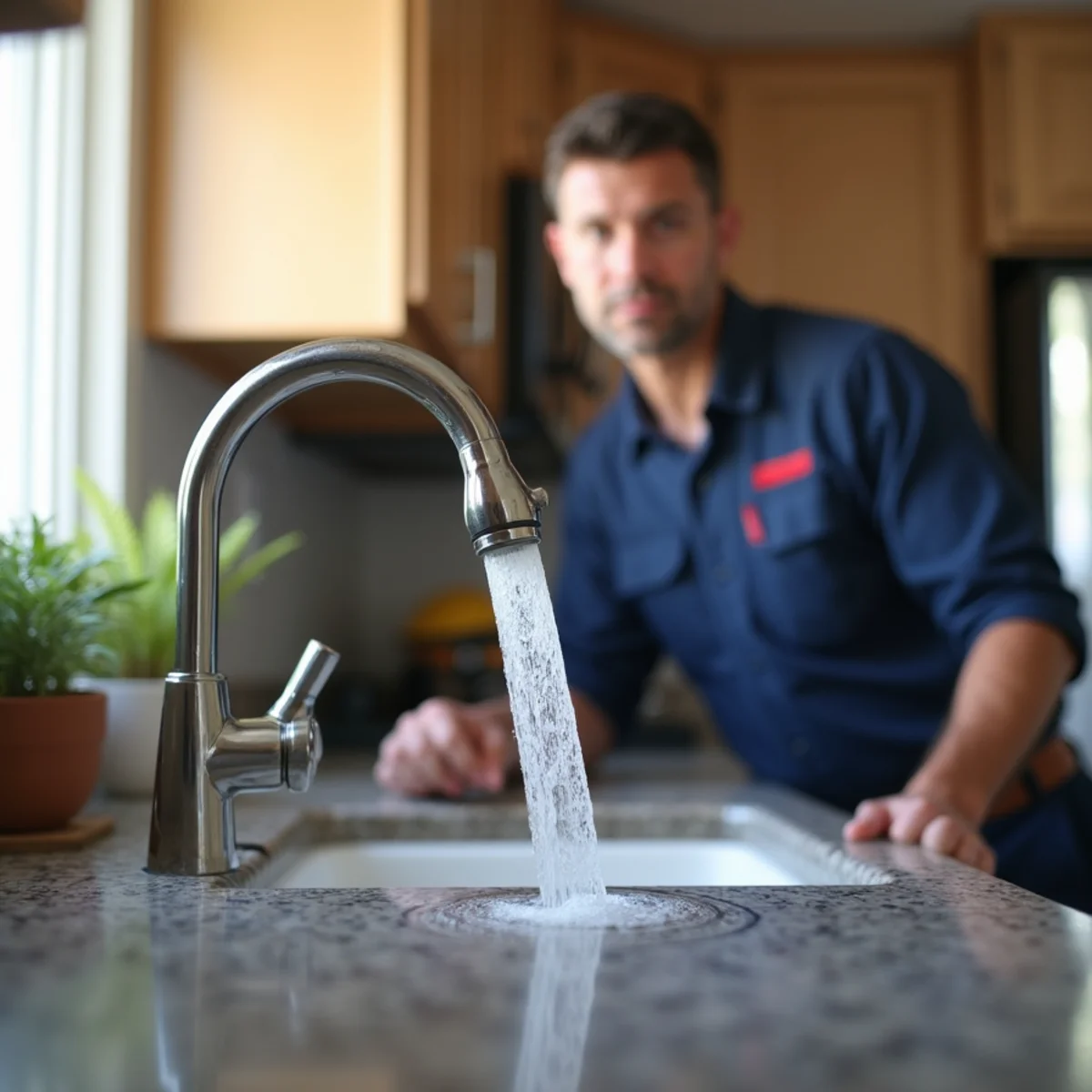
A shower that's gone from a strong spray to a disappointing trickle, or a sink that takes forever to fill, is one of the most common plumbing complaints we hear from El Dorado Hills homeowners. Low water pressure has a handful of usual suspects, and while some are a five-minute fix, others point to a bigger problem developing behind your walls.
Here are the seven causes we see most often in this area, roughly in order of how frequently they turn out to be the culprit, along with how to tell which one applies to you.
1. Mineral buildup in fixtures and aerators
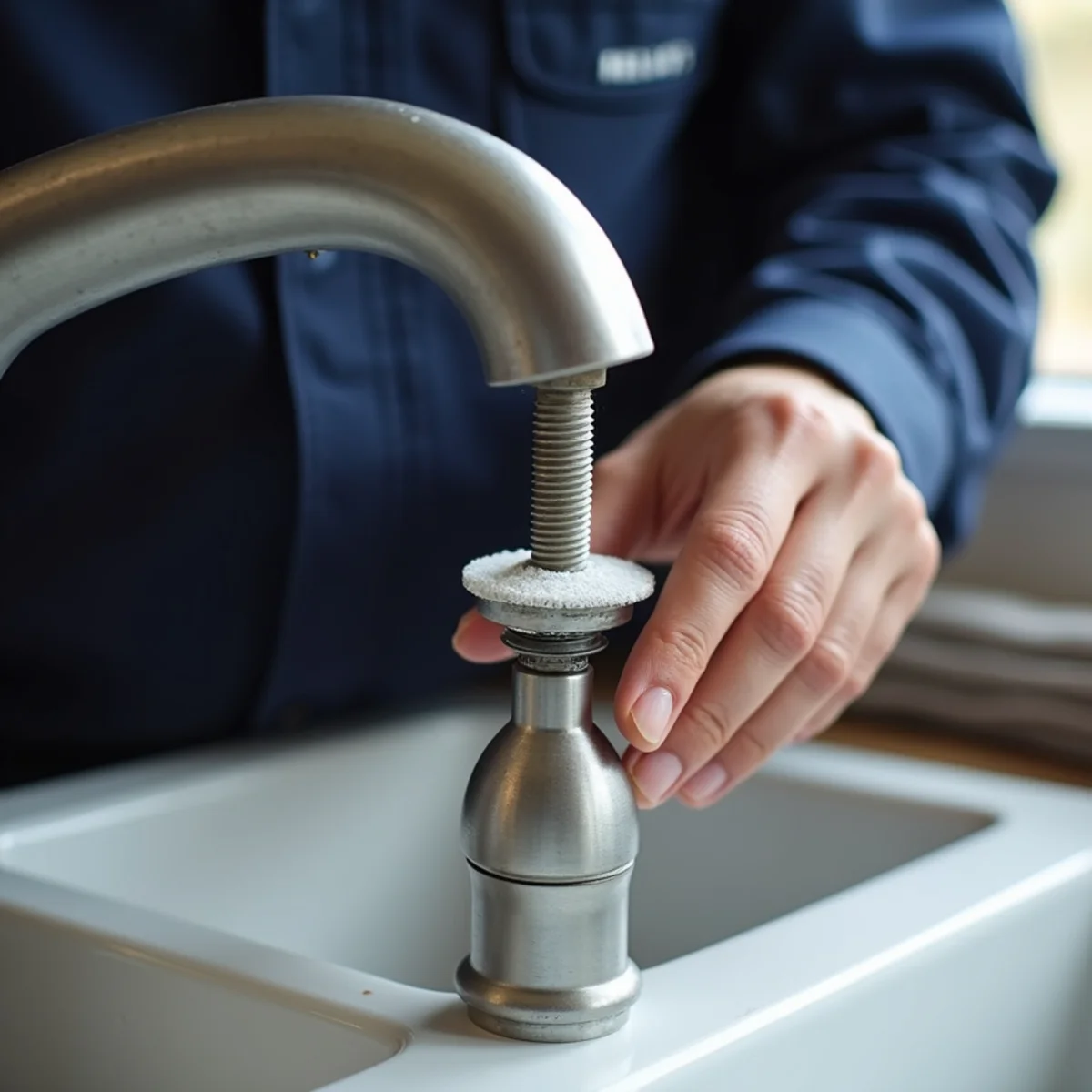
This is by far the most common cause, and the easiest to fix. El Dorado Irrigation District water is moderately hard across much of the El Dorado Hills service area, and over time minerals accumulate inside faucet aerators, showerheads, and the fine mesh screens on supply lines. If low pressure is isolated to one or two fixtures rather than the whole house, unscrew the aerator or showerhead and check for visible white or greenish mineral crust. Soaking the part in vinegar or replacing it outright often restores full pressure in minutes. Our guide on hard water in El Dorado Hills covers this issue in more depth.
2. A partially closed shutoff valve
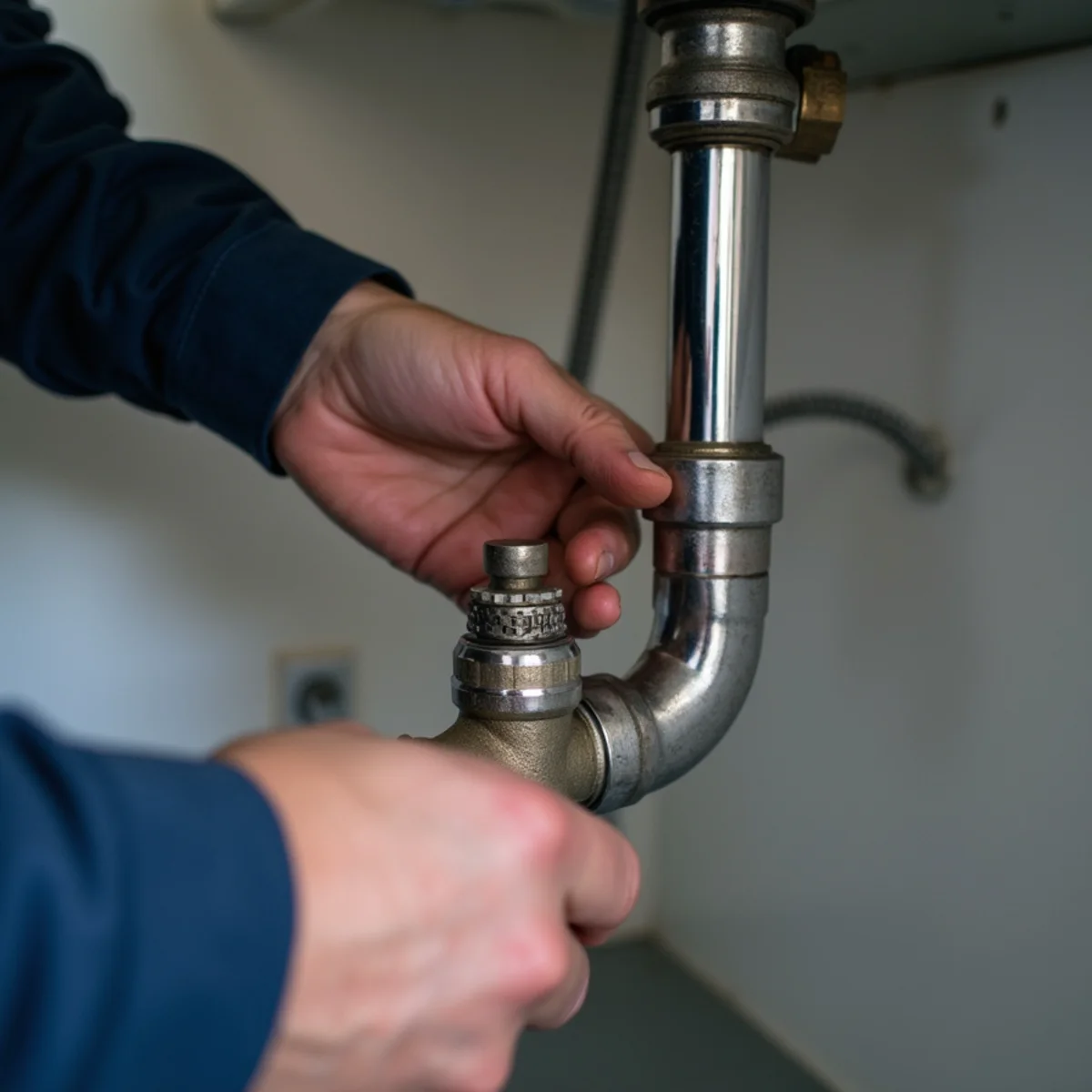
If pressure dropped suddenly after any plumbing work — even something unrelated, like a dishwasher install — check that the main shutoff valve and any individual fixture valves are fully open. It's a surprisingly common oversight after a repair, and a valve that's only three-quarters open can noticeably restrict flow throughout the house.
3. A failing pressure regulator
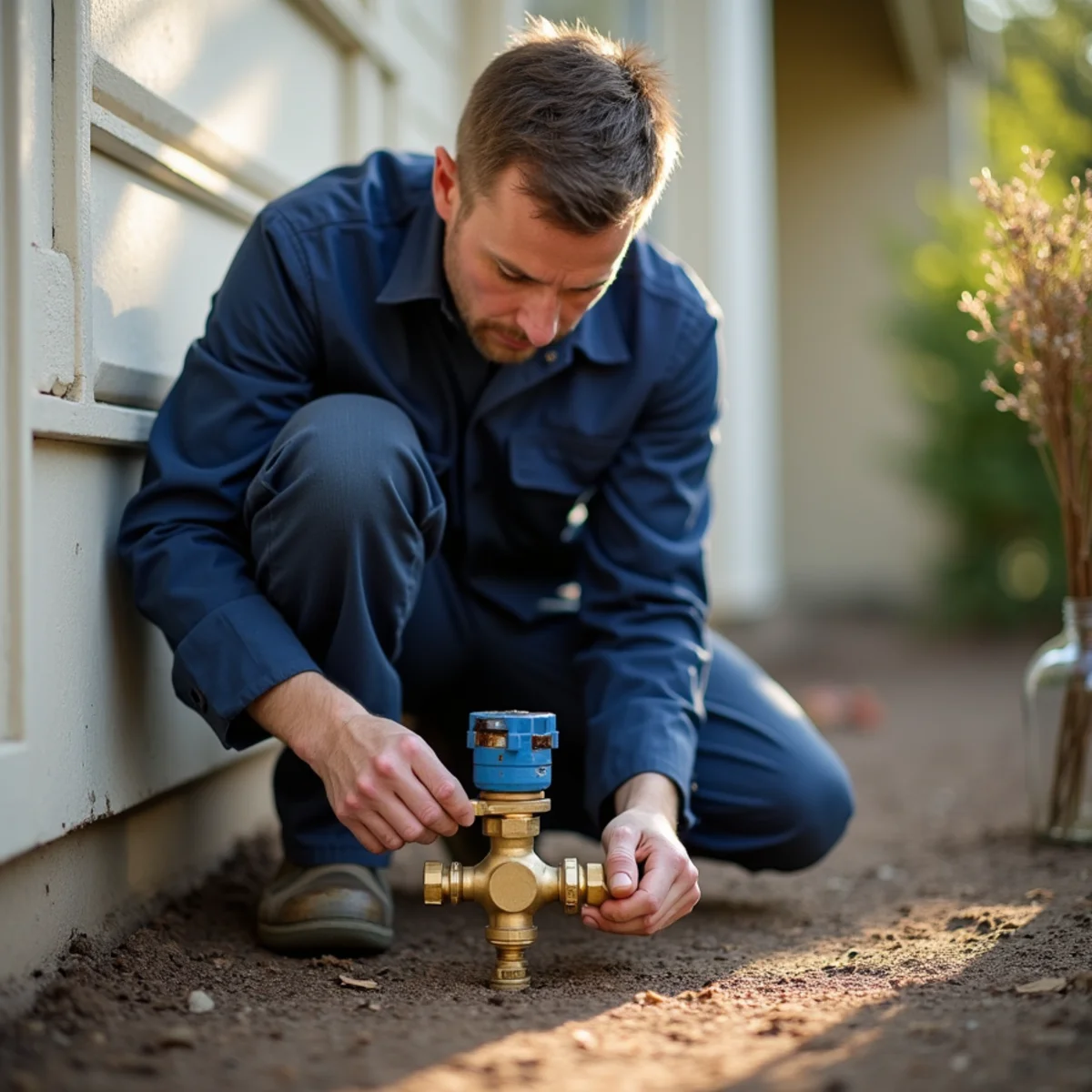
Many homes have a pressure-reducing valve (PRV) where the main line enters the house, which steps down municipal or well pressure to a safe household level. PRVs can fail over time, either restricting flow too much (causing low pressure) or failing to regulate at all. If your whole house lost pressure gradually over months rather than suddenly, and fixture cleaning didn't help, a failing PRV is a strong candidate — this is a job for a licensed plumber to test and replace.
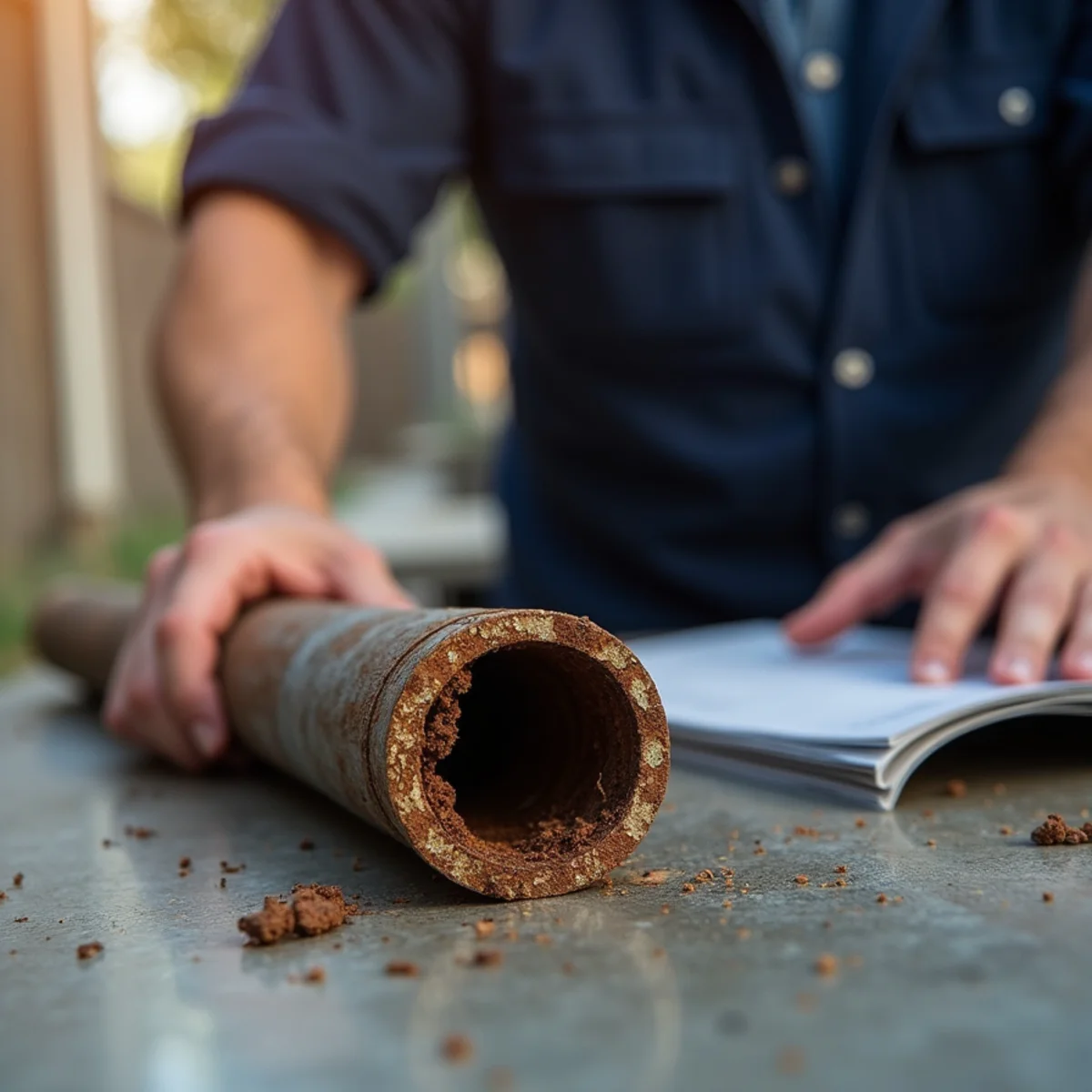
4. Corroded or scaled galvanized pipe
Homes still running original galvanized steel supply lines — common in some older El Dorado Hills-area construction — are prone to internal corrosion that narrows the pipe's effective diameter over decades, similar to plaque narrowing an artery. This shows up as a gradual, whole-house pressure decline that gets worse over years, not something that happened overnight. Unfortunately, there's no fixture-level fix for this one; it typically points toward the pipe itself needing replacement, whether targeted or as part of a whole-house repipe.
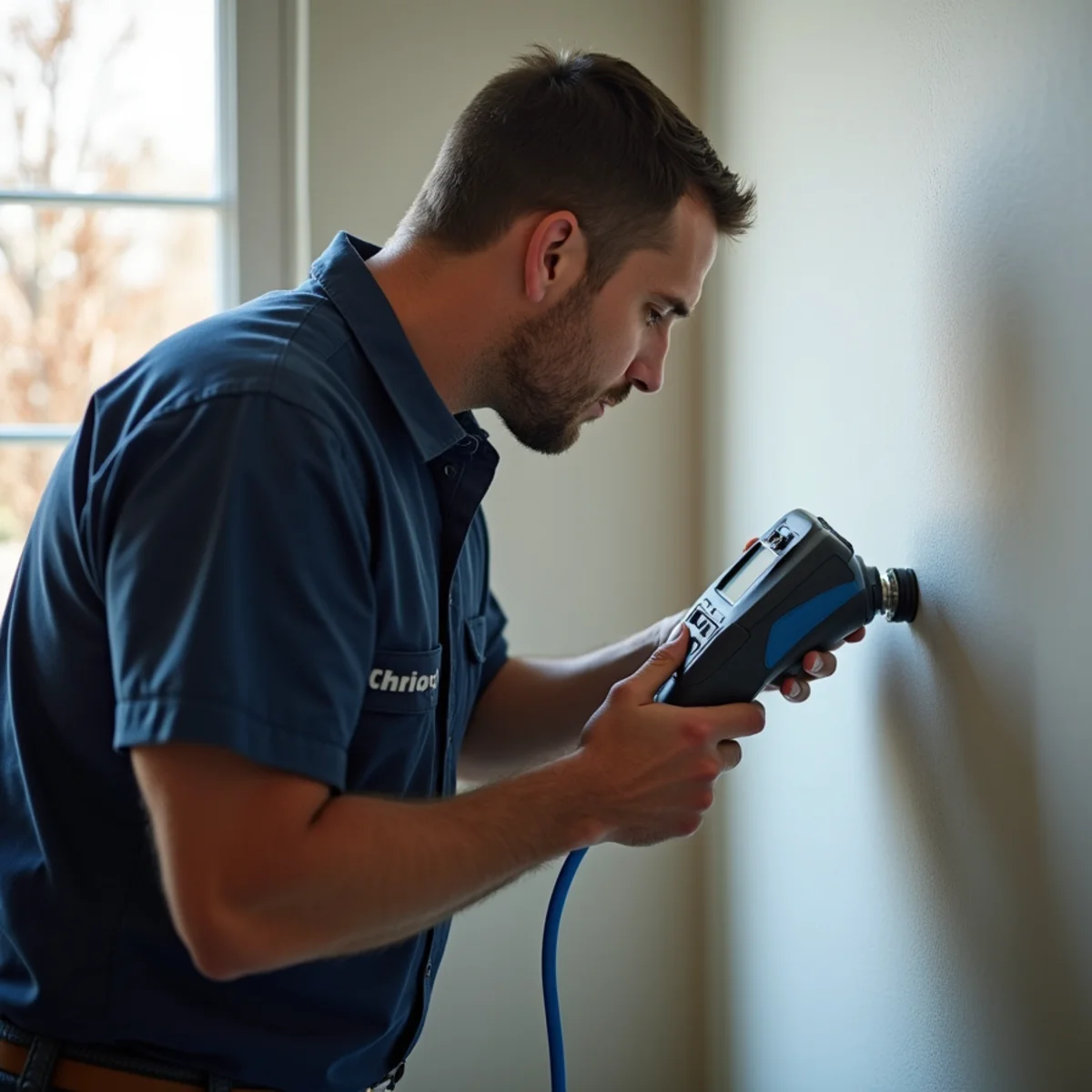
5. A hidden leak
If pressure has dropped and you've also noticed a higher water bill, a damp spot on flooring or drywall, or the sound of running water when nothing is on, a hidden leak — inside a wall, under a slab, or in the yard between the meter and the house — may be diverting water and pressure away from your fixtures. This scenario deserves prompt attention with professional leak detection equipment rather than fixture cleaning, since a hidden leak also causes ongoing water damage the longer it goes unaddressed.

6. Municipal supply issues or nearby construction
Occasionally, low pressure isn't your plumbing at all — it's the municipal supply. Nearby construction, a water main repair, or high-demand periods (like widespread irrigation on a hot summer evening) can temporarily reduce pressure to an entire neighborhood. If neighbors are reporting the same issue at the same time, check with EID before assuming it's a problem specific to your home.

7. Clogged or undersized drain lines mistaken for pressure issues
Occasionally what feels like 'low water pressure' in a shower is actually a partially clogged showerhead or drain, or in older homes, supply piping that was undersized relative to modern fixture demand (like a rain showerhead or dual-shower setup added after original construction). A plumber can quickly distinguish a true pressure problem from a flow-restriction issue at the fixture itself.
How to figure out which cause applies to you
Start narrow: is it one fixture, a few fixtures, or the whole house? One fixture points to that fixture's aerator or supply line. Whole-house, sudden onset points to a valve or PRV. Whole-house, gradual decline over months or years points to pipe corrosion or a developing leak. If you've ruled out the easy fixture-level fixes and pressure is still an issue, a professional diagnostic visit — checking static and running pressure at multiple points in the house — will pinpoint the cause quickly rather than leaving you guessing.