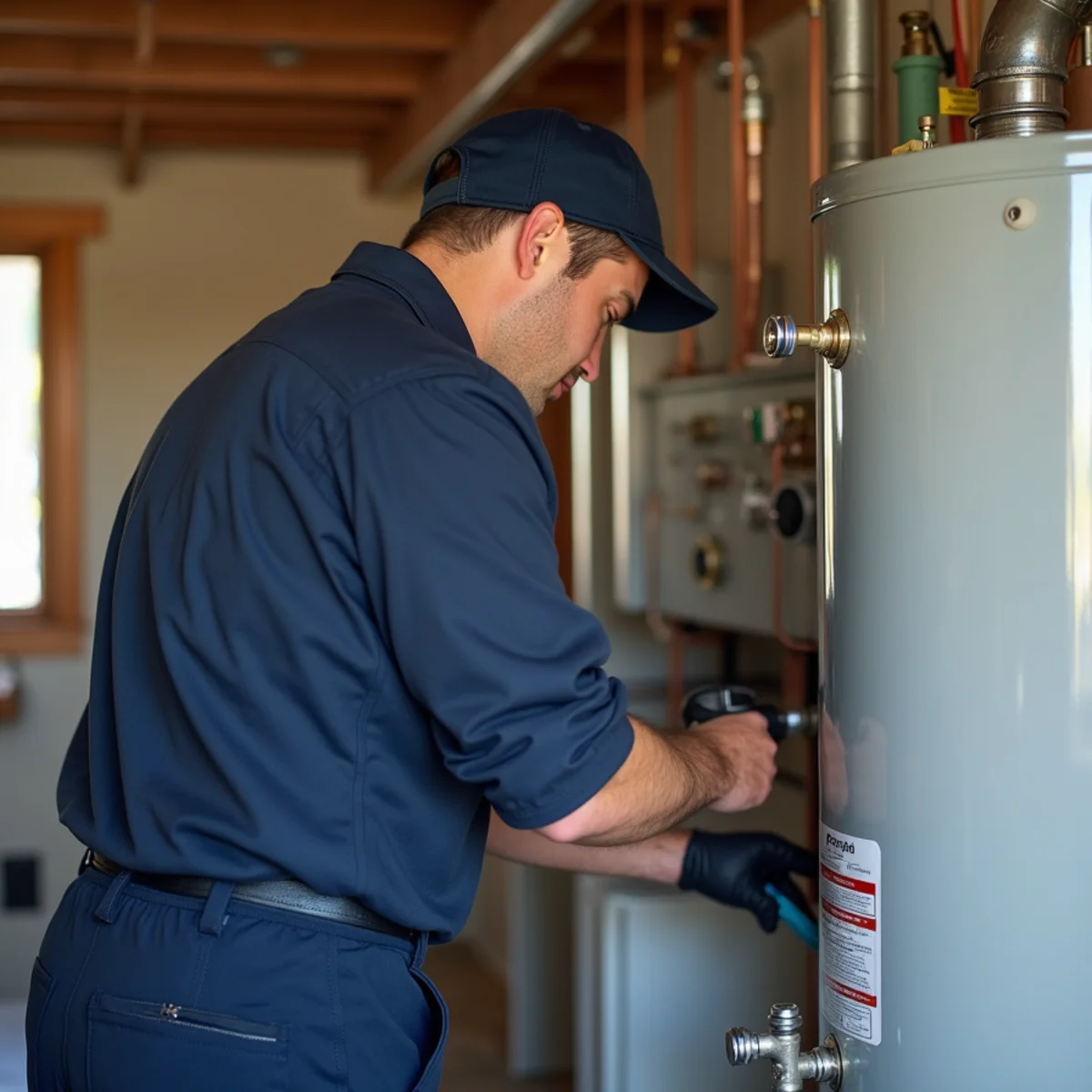
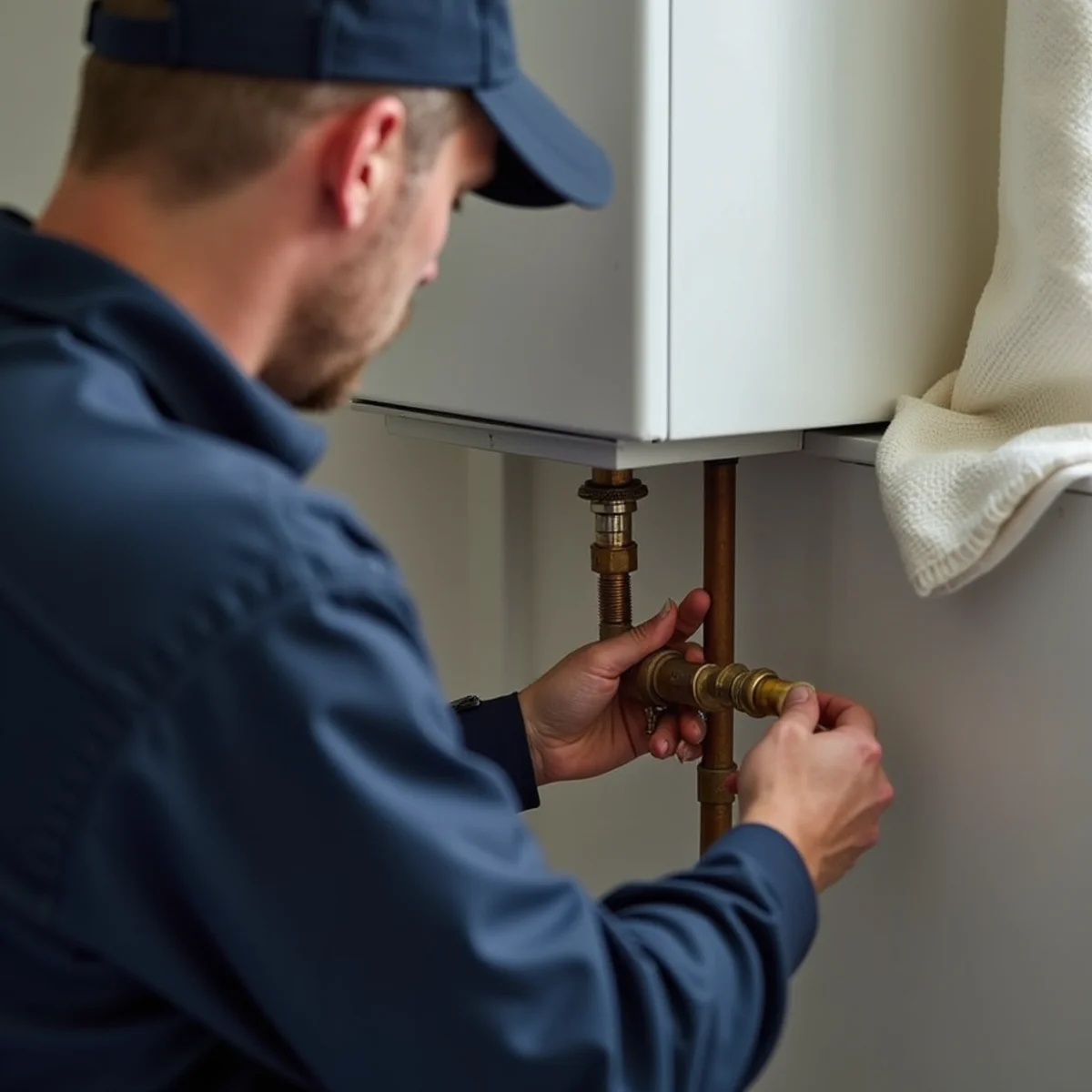
EID water here is moderately hard, and mineral scale is the quiet killer of water heaters in the foothills. It coats the tank bottom and the tankless heat exchanger, cutting efficiency and shortening life. We factor your water condition into every recommendation so a new unit lasts the way it should.
Water heater symptoms we diagnose
- No hot water, or hot water that runs out much faster than it used to
- Rumbling or popping from the tank (sediment and scale)
- Rusty or metallic-smelling hot water
- Water pooling around the base of the tank
- A tankless unit throwing error codes or short-cycling
- A unit at or past 10–12 years still on original parts
What's included
Every water heater repair & installation job in El Dorado Hills covers the essentials below — no vague scopes, no surprise add-ons:
- A full diagnosis of the failure — thermostat, element or burner, gas/venting, anode or the tank itself
- An honest repair-or-replace recommendation with both numbers
- Right-sizing by capacity or flow, fuel and household demand
- Code-correct installation: seismic strapping, shutoffs, expansion tank, T&P valve, drip pan and venting
- Permit handling and coordination of any required inspection
- Haul-away and disposal of the old unit
- A temperature and leak test before we hand it back, plus flushing guidance
Our water heater process
- 1
Diagnose the failure
We confirm whether it's the thermostat, element or burner, gas/venting, anode, valve or the tank itself — and whether it's leaking.
- 2
Repair or replace, with reasons
We give you the repair cost and the honest lifespan left, versus a right-sized replacement, so you can decide.
- 3
Size and select
Capacity or flow rate, fuel, venting and space drive the pick — tank for storage-based demand, tankless for on-demand when conditions fit.
- 4
Install to code
Seismic strapping, correct shutoffs, expansion tank, temperature-and-pressure relief, drip pan and venting — with permits where required.
- 5
Test and hand off
We verify operation and temperature, then explain flushing and maintenance to protect the unit from scale.
Tank vs. tankless in a foothill home
A tank water heater stores and reheats a set volume — simple, lower up-front cost, and fine for many homes. A tankless unit heats on demand, saves space and can lower standby losses, but it needs adequate gas/venting and benefits from descaling in hard-water areas like ours.
The right answer depends on capacity, simultaneous demand (that big Serrano primary bath plus a running dishwasher), fuel, venting and budget — not marketing. We'll tell you when tankless genuinely pays off and when a quality tank is the smarter buy.
Why scale matters more here
El Dorado County notes that mineral scale forms inside pipes and water heaters, reducing flow and heat-transfer efficiency. In practice that means a foothill water heater fed unconditioned EID water works harder and ages faster. Annual flushing helps, and pairing a new heater with softening or filtration can meaningfully extend its life. We test and advise rather than assume every home has the same water.
Gas, electric and tankless — what changes
A gas tank needs correct venting and combustion air; an electric unit depends on healthy elements and a solid circuit; a tankless heater needs adequate gas supply, proper venting and periodic descaling. We match the replacement to what your home is actually set up for, and flag when an upgrade (like a gas line resize for tankless) is part of the job so there are no surprises.
Why foothill water heaters fail early
Sediment and scale settle on the tank bottom and coat the tankless heat exchanger, forcing the unit to work harder and corrode faster once the anode rod is spent. Many El Dorado Hills subdivisions were built and equipped in the same window, so whole streets hit water-heater age together.
Annual flushing helps, and pairing a new heater with softening or filtration is the single best thing you can do for its lifespan. We test your water and tell you honestly whether conditioning is worth it for your home.
What affects the price
We use upfront, flat-rate pricing and give you the number before we start — no fake fixed quotes online, because the honest answer depends on your home. For water heater repair & installation in El Dorado Hills, the main factors are:
- Repair versus full replacement
- Tank vs. tankless and the capacity/flow you need
- Fuel type, venting changes and gas line adequacy
- Bringing an older install up to current code (strapping, expansion tank, pan)
- Permit and inspection requirements
- Whether water conditioning is added to protect the new unit
Where we provide water heater repair & installation
We repair and install water heaters throughout El Dorado Hills and neighboring Cameron Park, Shingle Springs, Folsom and Granite Bay. Because EID water is moderately hard, we size and protect every unit with local scaling in mind — the same tank fails years sooner unconditioned than it does with a softener ahead of it.
We cover Folsom, Cameron Park, Placerville, Granite Bay and dozens more communities across the western slope and greater Sacramento region.
Ready to schedule water heater repair & installation?
Same-day service and a 60–90 minute emergency response across the western slope. Licensed, insured and upfront on price.
Good to know
Frequently asked questions
Related reading
No Hot Water? Repair vs. Replace Your Water Heater
A cold shower on a winter morning forces a fast decision: repair the water heater or replace it? Here's the framework, using age, damage, and cost as your guide.
Core-ServiceTankless vs. Tank Water Heaters for Sierra Foothill Homes
Foothill elevation, cold groundwater, and EID hard water all change the tankless-versus-tank calculation. Here is how to decide for your El Dorado Hills home.