
By Gold Country Plumbing of El Dorado Hills · Updated September 15, 2025
Cabins along the US-50 corridor from Pollock Pines up through Camino and into South Lake Tahoe face a plumbing risk that El Dorado Hills homes rarely see: sustained hard freezes at elevation, often in structures that sit empty for days or weeks at a time. A burst pipe in an unoccupied cabin can run undetected for days, turning a $150 fix into a flooded, structurally damaged property.
September and October are the right window to winterize, well before the first hard freeze typically hits the higher elevations. Whether your cabin is a full-time residence or a weekend property, the same core steps protect it through the season.
Why Elevation Changes the Risk
El Dorado Hills sits around 800 feet, while Pollock Pines is near 4,000 feet and South Lake Tahoe sits above 6,200 feet. That elevation difference means overnight lows at a Tahoe-corridor cabin routinely drop into the teens and single digits during winter, far beyond what a quick cold snap does to a foothill home. Pipes running through uninsulated crawlspaces, exterior walls, or unheated additions are the most common failure points.
Insulate Every Exposed Pipe
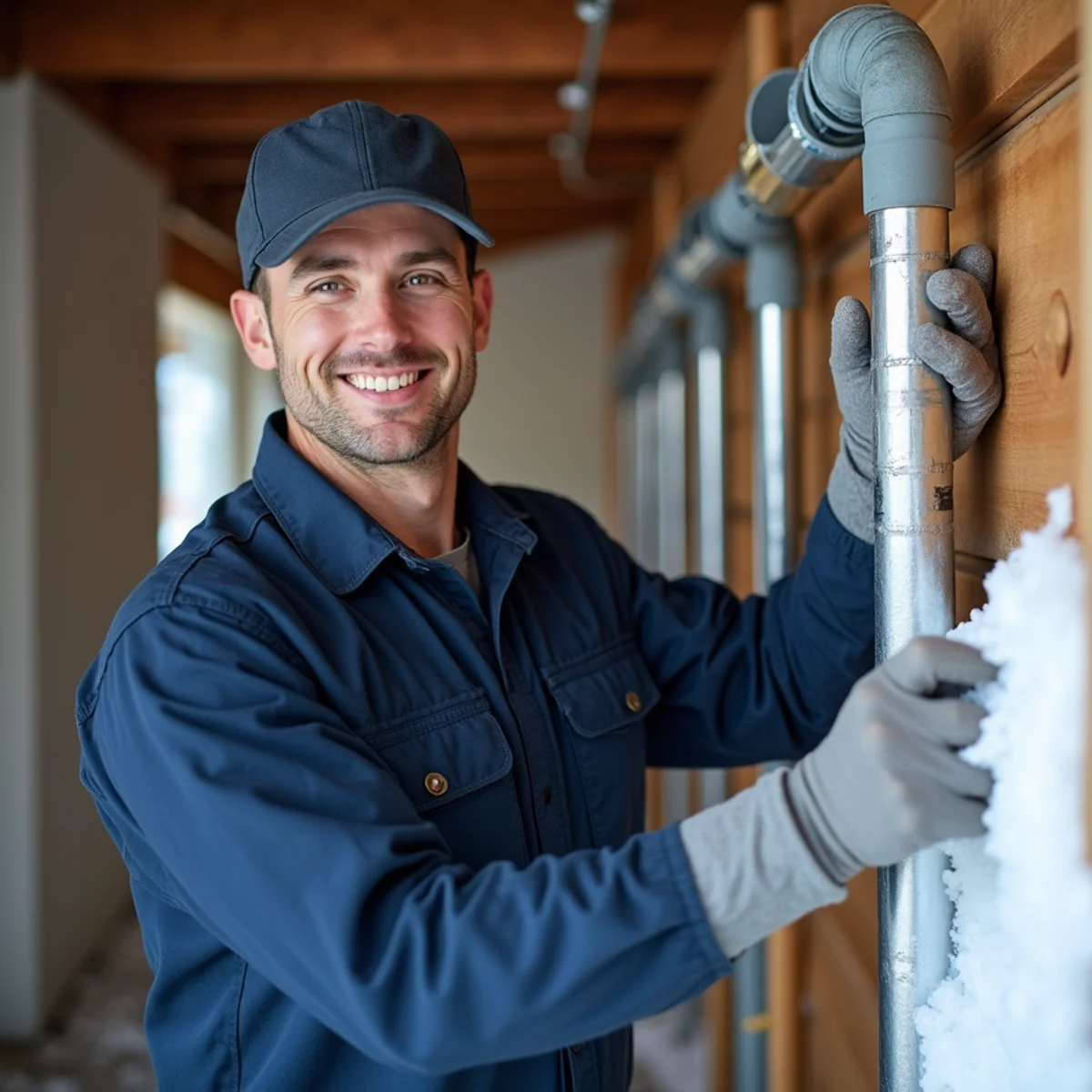
Foam pipe sleeves are inexpensive insurance for any line running through a crawlspace, garage, or exterior wall. Pay particular attention to pipes near vents, crawlspace openings, or uninsulated additions, since even a well-insulated cabin often has one overlooked run that freezes first.
- Foam-sleeve all exposed pipe in crawlspaces and garages
- Seal crawlspace vents and foundation gaps that let cold air in
- Insulate hose bibs and exterior spigots with dedicated covers
- Check attic and wall penetrations where pipes pass through unheated space
Decide: Drain the System or Keep It Heated
For cabins that will sit empty all winter, fully draining the water system is the safest option. Shut off the main supply, open all faucets and drain valves, flush toilets to clear tank and bowl water, and add RV antifreeze to traps and toilet bowls to prevent residual water from freezing.
For cabins that will see occasional weekend use, keeping the heat on at a minimum of 55°F and leaving cabinet doors open under sinks near exterior walls is usually enough, combined with a slow drip from the faucet farthest from the main shutoff during the coldest nights.
Protect the Water Heater and Well System
If your cabin uses a well, insulate the wellhead and any exposed pressure tank lines, since these sit outside the thermal envelope of the house and freeze easily. A water heater in an unheated garage or crawlspace should be insulated with a tank blanket, and its supply and drain lines should get the same foam sleeving as the rest of the system.
Consider a Freeze Sensor or Remote Monitoring
For cabins that sit vacant for extended stretches, a Wi-Fi-connected temperature and leak sensor is one of the most cost-effective upgrades available. It alerts you the moment interior temperature drops toward freezing or a leak is detected, giving you or a neighbor time to respond before a burst pipe becomes a flooded cabin discovered weeks later.
If a Pipe Already Froze or Burst
A frozen but intact pipe should be thawed slowly with a hair dryer or heat tape, never an open flame. If you find a burst pipe or active leak, shut off the main water supply immediately and call for emergency service. As a planning benchmark, burst pipe repairs generally run in line with standard leak detection and repair pricing, far less than the water damage cleanup that follows a delayed response.
Get Ahead of Winter With Gold Country Plumbing
Gold Country Plumbing services cabins throughout Pollock Pines, Camino, and the South Lake Tahoe corridor, and we offer seasonal winterization visits before the first freeze along with 24/7 emergency response if a pipe does burst while you are away.
Call (831) 290-4327 to schedule winterization or to report an active freeze emergency.
A pre-storm shutoff and drain-down checklist
If a cabin will sit empty and unheated through a Pollock Pines or Tahoe cold snap, the safest move is to take the water out of the pipes entirely. An hour of prep beats a spring arrival to a burst line and a flooded floor.
- Shut the main water valve and, for a well system, switch off the pump.
- Open every faucet — highest and lowest first — and flush the toilets to drain the lines.
- Drain the water heater and, if it is a tank, cut its power or gas so it never fires dry.
- Blow out remaining water with air or add non-toxic RV antifreeze to traps so they cannot freeze and crack.
- Insulate any exposed runs and hose bibs, and leave cabinet doors open so residual warmth reaches under-sink pipes.